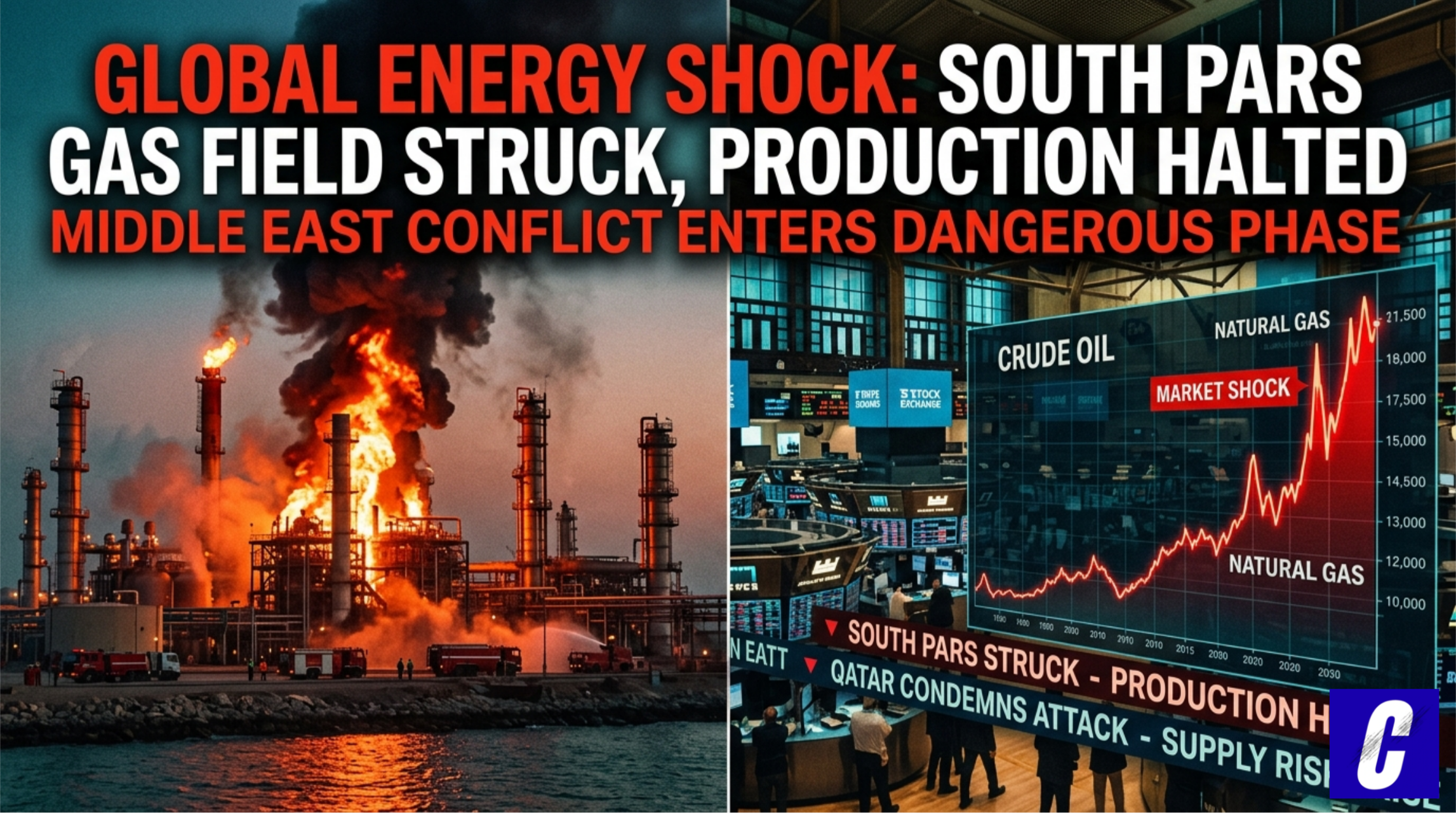
DOHA/TEHRAN — The ongoing conflict in the Middle East has entered a far more dangerous phase after strikes targeted South Pars Gas Field, the largest natural gas reserve on the planet.
According to emerging reports, Israeli forces, with U.S. coordination, struck key facilities in the South Pars region on March 18, 2026, disrupting production and halting operations at multiple refineries.
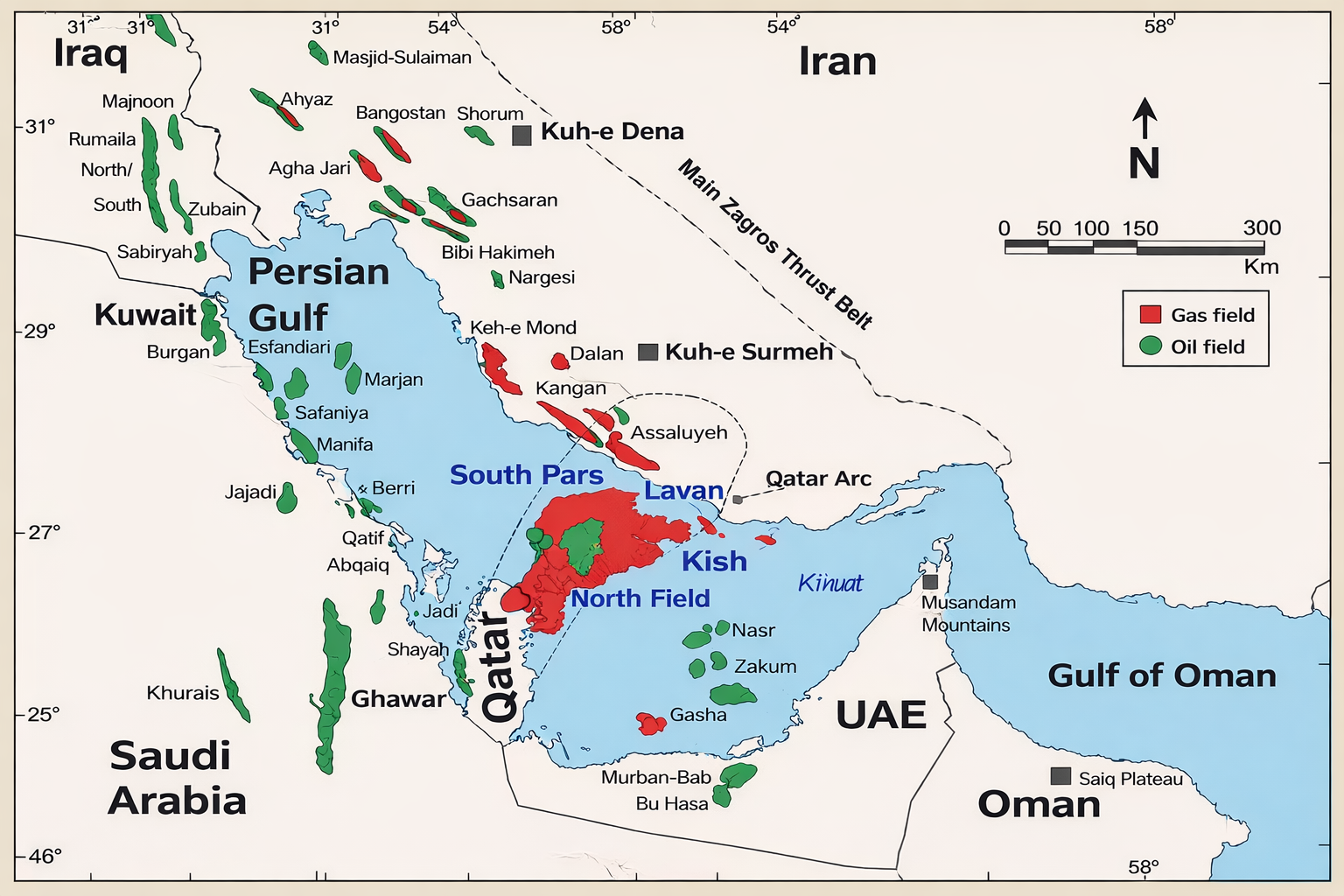
Why South Pars Matters
South Pars is not just another energy site. It represents a critical node in the global economy:
- Global Scale: The largest natural gas field in the world.
- Joint Ownership: A shared resource between Iran and Qatar.
- Domestic Dependency: Responsible for a major portion of Iran’s domestic energy supply.
Any disruption here doesn’t stay local; it ripples across global energy markets almost instantly.
Immediate Impacts Reported:
-
- Production Halt: Suspension of part of Iran’s gas production.
- Refinery Damage: Shutdown of key refining units.
- Market Volatility: Immediate spikes in global oil prices.
”This isn’t symbolic warfare. It’s hitting the backbone of the global energy system.”
Qatar’s Reaction: A Rare Crack in Alignment
Because Qatar shares the same gas field (where it operates the North Dome section), the strike placed it in a uniquely awkward position. Doha condemned the attack, framing it as a threat not just to Iran, but to shared infrastructure and global energy stability.
In simple terms: when you bomb a jointly owned gas field, you’re not just targeting your enemy—you’re hitting your partner’s wallet too. Other Gulf states, including the UAE, have also expressed concern, signaling discomfort with the conflict’s new direction.
A Strategic Shift: From Military Targets to Energy Infrastructure
Until now, the conflict largely focused on military leadership, nuclear facilities, and strategic command centers. That line has now been crossed.
The new “Energy Battlefield” includes:
-
-
- Oil fields
- LNG terminals
- Refineries
-
Targeting these assets marks a fundamental escalation. Once energy becomes the battlefield, escalation gets ugly fast.
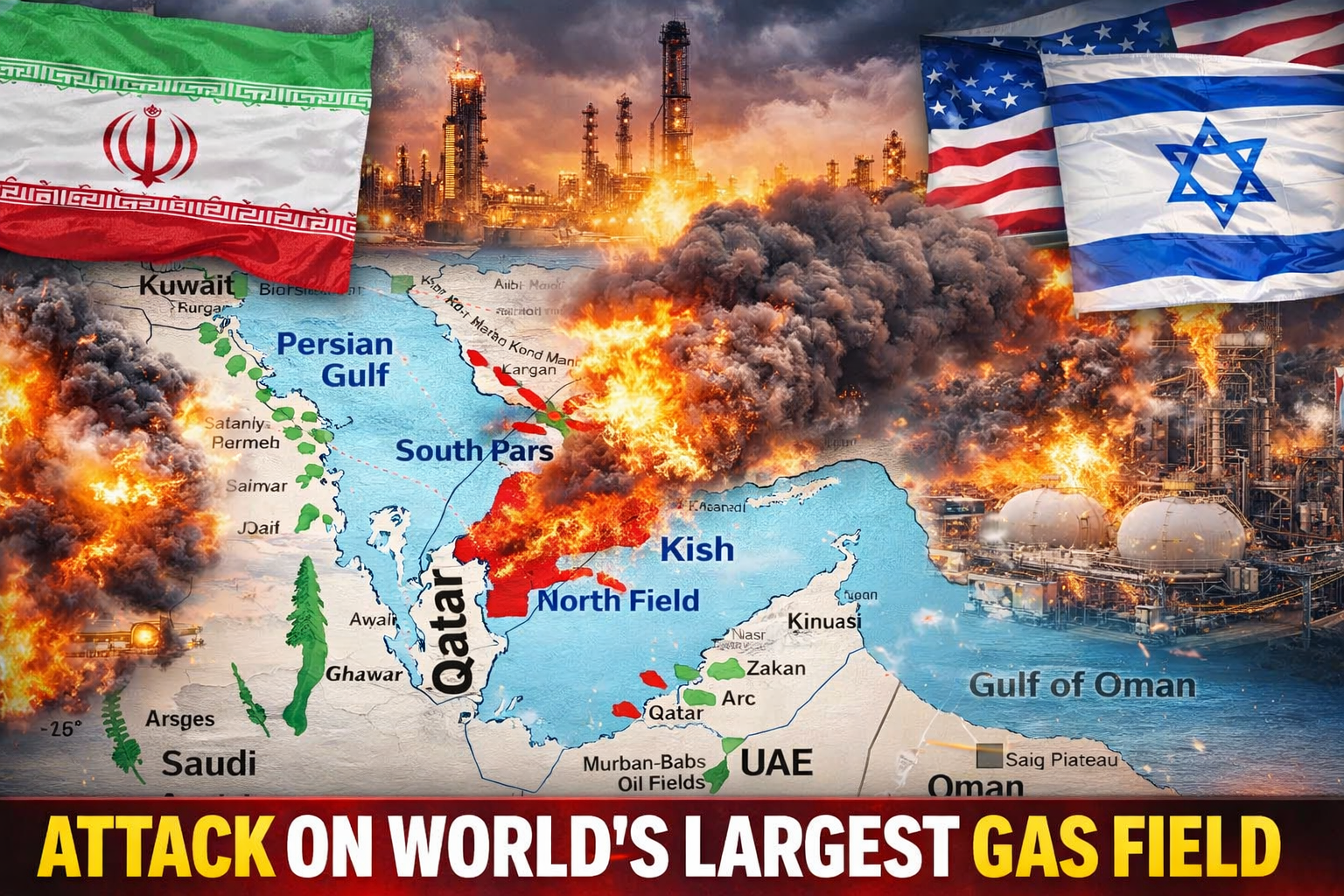
The Risk of an “Economic Earthquake”
Iran has already signaled that it may retaliate against regional energy assets. Potential targets include Qatar’s LNG infrastructure, Saudi Arabia’s oil giant Saudi Aramco, and UAE refining and export facilities.
Global Implications:
|
Sector |
Potential Risk |
|---|---|
|
Supply Chain |
Severe shortages due to Gulf region’s massive market share. |
|
Consumer Prices |
Dramatic spikes affecting transport and food costs. |
|
Global Economy |
A supply shock not seen in decades if attacks spread. |
Global Response: Silence and Caution
So far, there is no strong international alignment behind the escalation.
- NATO countries have shown reluctance to get directly involved.
- Major Asian economies like Japan and South Korea remain cautious due to extreme energy dependence.
This isn’t about morality; it’s about survival. No one wants their fuel supply caught in the crossfire.
What Comes Next
The strike on South Pars may be remembered as the moment the conflict crossed a critical line. Once wars start targeting energy systems, retaliation becomes economically devastating, neutral countries get dragged in indirectly, and global markets react instantly.
The battlefield is no longer just territory or ideology. It’s energy. And when energy is under attack, everyone pays the price.