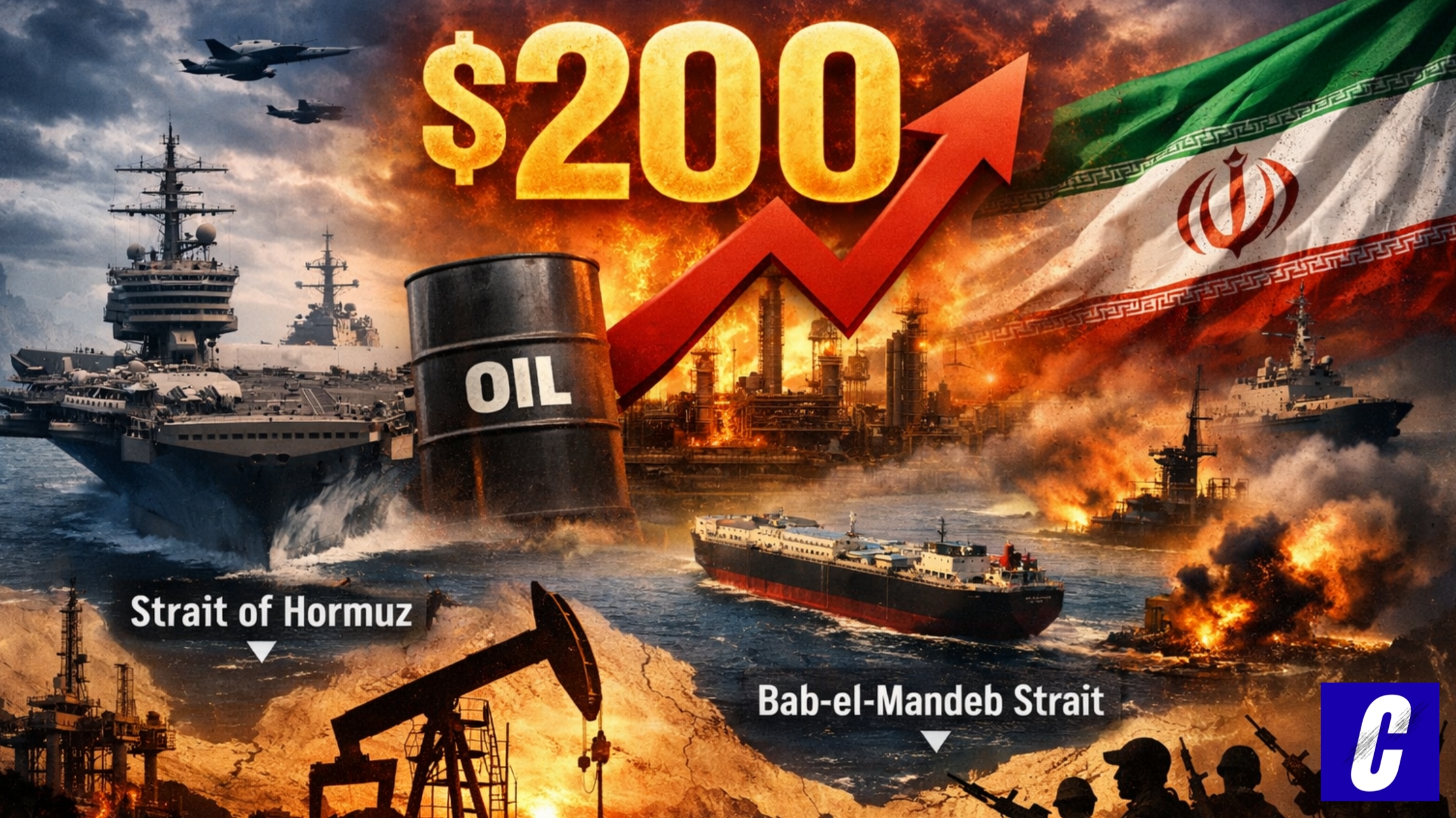
The global oil market has always been sensitive to geopolitical tension, but few regions carry as much weight as the Middle East. In recent months, discussions about a potential conflict involving Iran have sparked renewed concerns over energy security, shipping routes, and the stability of global markets.
Some analysts argue that the real battlefield in any confrontation between Iran and the West would not be fought primarily with missiles or aircraft carriers. Instead, it would be fought through energy markets. According to this view, if oil prices surge toward $200 per barrel, the economic consequences alone could reshape global politics.
To understand this argument, it is necessary to examine:
- The strategic choke points of the global oil trade.
- The role of NATO and Western alliances.
- Why energy prices are central to the balance of power.
Why Oil Prices Matter More Than Missiles
Modern economies run on energy. Oil is still the backbone of transportation, manufacturing, and logistics across the world. When oil prices rise sharply, the effects ripple through every major economy:
-
- Increased Costs: Higher fuel costs increase transportation prices and raise manufacturing expenses.
- Broader Inflation: These costs eventually lead to widespread price hikes for consumers.
- Monetary Policy: If oil reaches $200 per barrel, economists estimate inflation could spike dramatically, forcing central banks to keep interest rates high or even raise them further.
- Market Stability: Higher interest rates slow economic growth, reduce investment, and often trigger downturns in stock markets and speculative assets.
Summary: An oil shock does not just affect gas stations; it can destabilize entire financial systems.
The Strategic Importance of the Strait of Hormuz
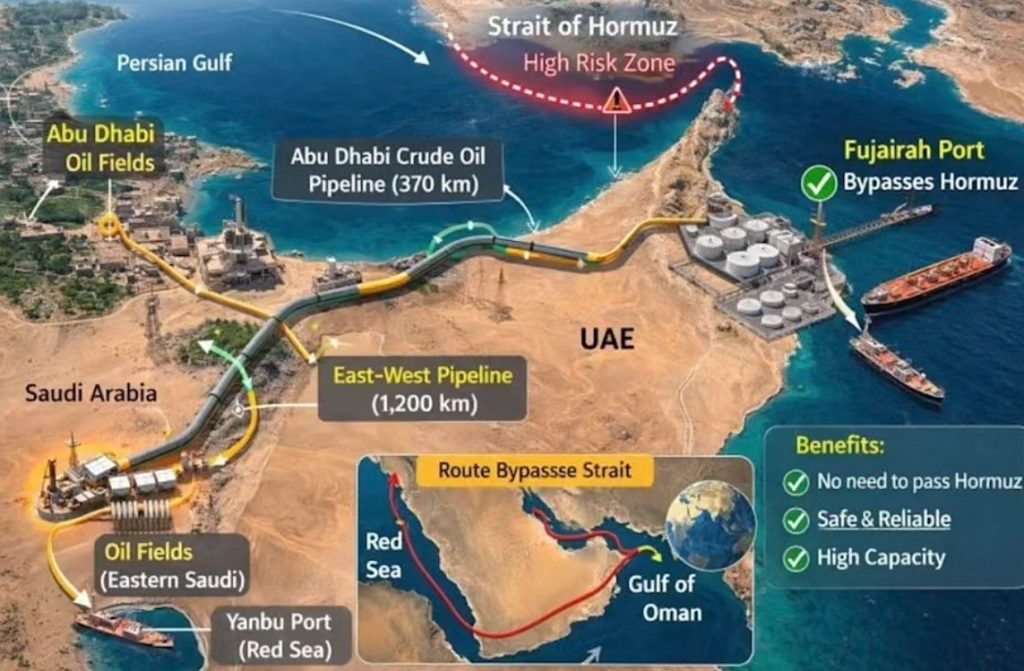
One of the most critical energy choke points in the world is the Strait of Hormuz. This narrow waterway connects the Persian Gulf with the Gulf of Oman and the Arabian Sea.
-
-
- Primary Route: It is the main exit for oil exports from major producers such as Saudi Arabia, Kuwait, Iraq, and the United Arab Emirates.
-
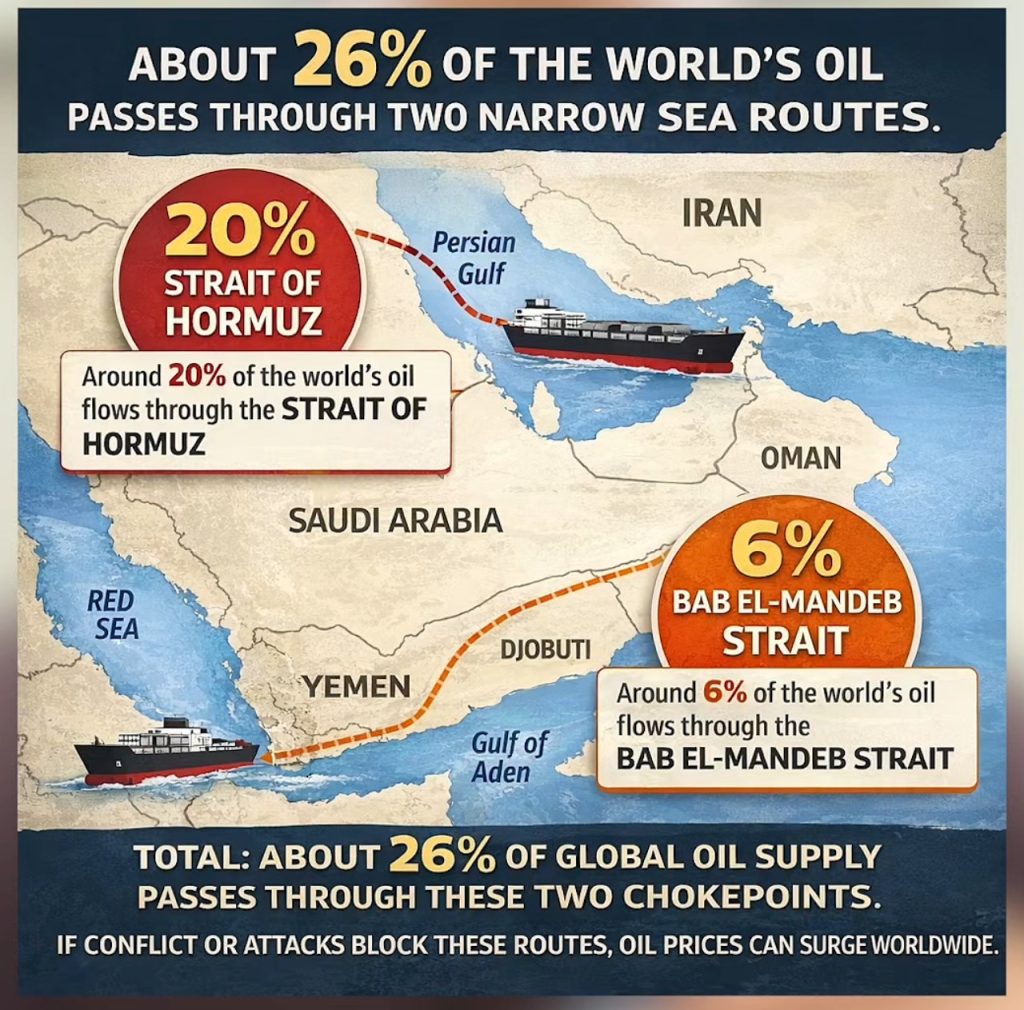
- Global Share: Roughly 20% of the world’s oil supply passes through this strait every day.
-
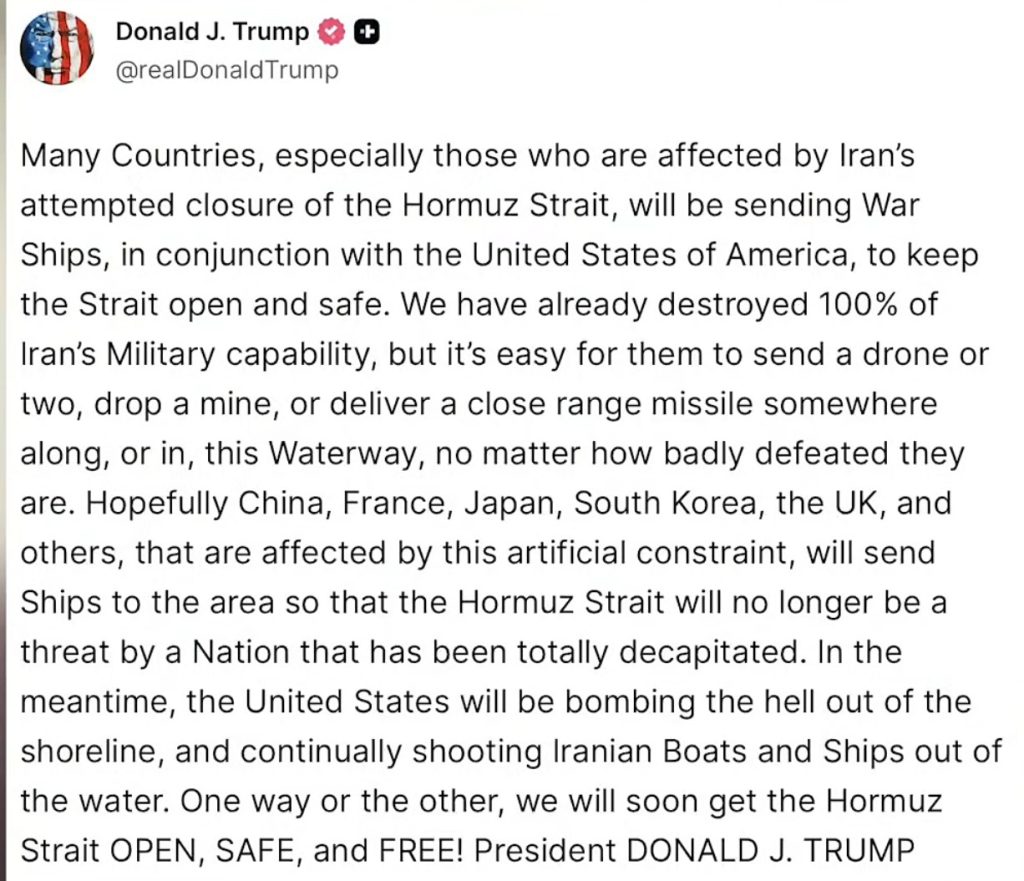
- Market Sensitivity: Because of this concentration, any disruption can instantly drive prices higher. Iran has repeatedly signaled that in the event of war, it could threaten shipping in this region.
-
The Bab-el-Mandeb Strait and the Red Sea Corridor
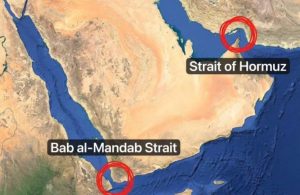
Another critical location sits thousands of kilometers away but is equally important: the Bab-el-Mandeb Strait. This narrow passage links the Red Sea with the Gulf of Aden and the Suez Canal.
-
-
- Volume: About 6% of global oil shipments pass through this corridor.
- Strategic Links: The region has been under increasing tension due to the presence of the Houthi movement in Yemen, who are widely believed to have strategic ties with Iran.
- The Multiplier Effect: If shipping were disrupted in both Hormuz and Bab-el-Mandeb at the same time, over a quarter of global oil supply routes could be affected.
-
Why the United States Looks to Allies
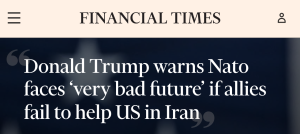
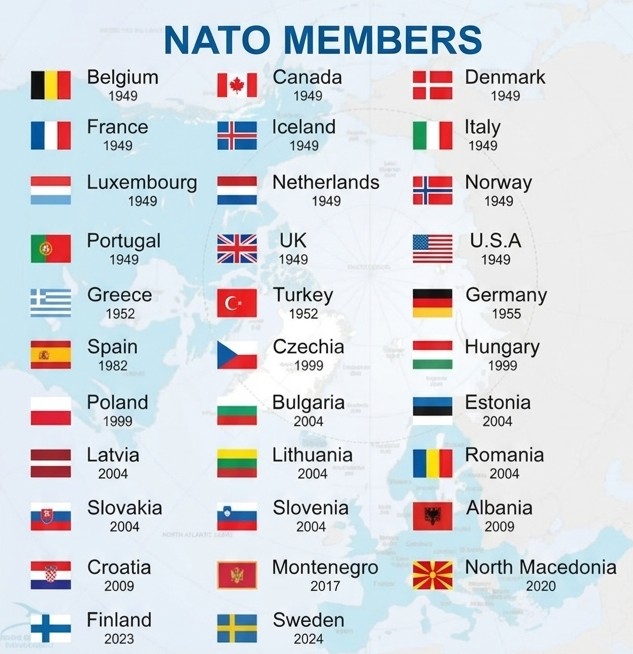
In scenarios involving maritime security, the United States rarely operates alone. Instead, it coordinates with alliances such as NATO and strategic partners in Asia and Europe.
-
-
- Coalition Efforts: Naval coalitions are used to escort commercial ships, deter attacks, and maintain freedom of navigation.
- Key Participants: Countries often including the United States, the United Kingdom, France, Japan, and South Korea.
- Risk Management: These efforts coordinate among allies to spread risk and resources, though the time required to assemble large coalitions can contribute to market volatility.
-
Strategic Oil Reserves as an Economic Weapon
Beyond military responses, governments attempt to stabilize markets using strategic oil reserves.
-
-
- Many nations participate in emergency stockpiles through the International Energy Agency.
- Together, these reserves hold more than one billion barrels of oil.
- While releasing these reserves can temporarily slow price increases, they rarely solve long-term supply problems if shipping routes remain threatened.
-
The $200 Oil Tipping Point
The idea that $200 oil could become a decisive economic threshold comes from the cascading effects such a price would create. At that level:
|
Sector |
Expected Impact |
|---|---|
|
Consumer Goods |
Fuel, transportation, and food prices would spike. |
|
Central Banks |
Interest-rate cuts might be delayed or cancelled. |
|
Finance |
Stock markets could face heavy sell-offs. |
|
Global Economy |
Inflation could accelerate sharply in major economies. |
Energy Security Is the Real Battlefield
Military conflict often captures headlines, but the most powerful leverage often comes from economic pressure.
For energy-producing nations, oil supply is a strategic tool. For energy-importing nations, protecting supply routes is a national priority. The tension surrounding Iran and Middle Eastern shipping routes highlights a larger truth: energy security is inseparable from geopolitical stability.
As long as critical oil corridors remain vulnerable, global markets will remain exposed to sudden shocks. In a world driven by energy, the price of oil may prove just as decisive as any military strategy.