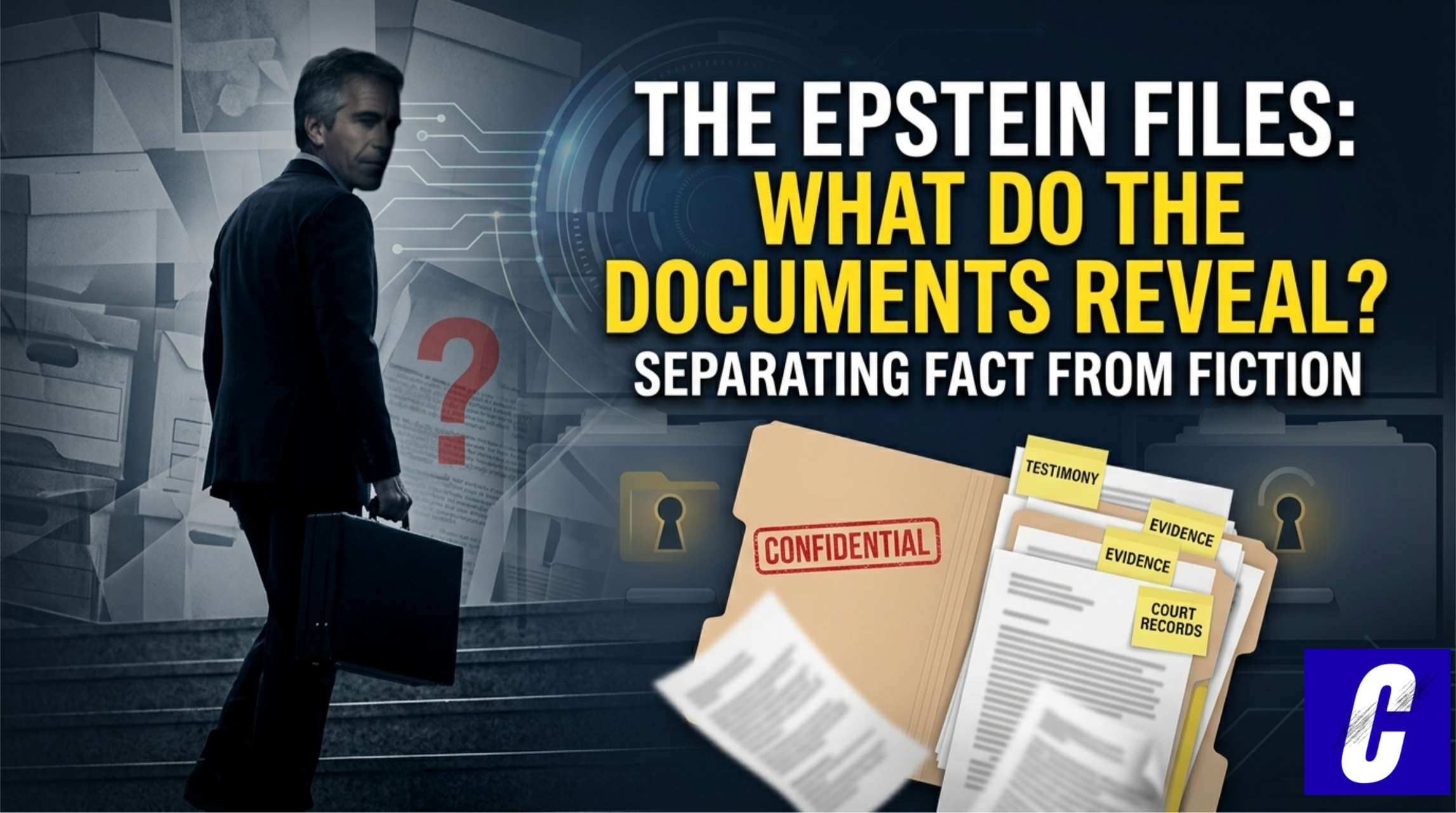
The release of thousands of pages of documents connected to Jeffrey Epstein has reignited global attention on one of the most disturbing criminal cases involving wealth, power, and influence.
The documents, commonly referred to as the “Epstein files,” include court records, depositions, investigative materials, and testimony gathered over years of legal proceedings. While the files provide additional insight into Epstein’s network and activities, they have also generated confusion, speculation, and widespread misinformation online.
Understanding what these documents actually reveal requires separating verified facts from assumptions.
What the Epstein Files Are?
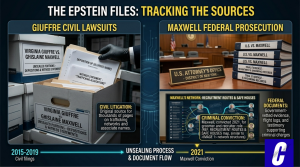
The Epstein files are not a single document or list. Instead, they are a collection of materials from multiple investigations and court cases.
- Lawsuits from Virginia Giuffre: Many of the documents originate from lawsuits connected to Giuffre, who accused Epstein and his associates of trafficking underage girls. These cases included depositions, witness statements, and legal filings that remained sealed for years before courts ordered portions of them unsealed.
- Federal Investigations: Other materials come from legal proceedings related to Ghislaine Maxwell, who was convicted in 2021 for helping recruit and groom victims for Epstein.
Together, these records form a complex archive of testimony and evidence spanning decades.
What the Documents Reveal
Although many details had already been reported over the years, the document releases have clarified several aspects of the case.
The Scope of Epstein’s Network
The files show that Epstein maintained relationships with a wide range of influential figures across business, politics, academia, and entertainment. His social circle included billionaires, political leaders, and celebrities who attended events or communicated with him. These connections helped Epstein cultivate an image of legitimacy and influence for years.
Testimony From Victims
Several documents include sworn testimony from victims who described how they were recruited, transported, and abused. These statements helped prosecutors build the case against Maxwell and provided insight into how Epstein’s operation functioned. Victim accounts describe a system in which young women were recruited by intermediaries and brought to Epstein’s properties.
Details About Epstein’s Operations
Records show that Epstein owned multiple properties, including residences in New York, Florida, New Mexico, and the U.S. Virgin Islands. Testimony and flight logs indicate that travel between these locations was common. Investigators have used these records to map movements, timelines, and relationships tied to the broader case.
What the Files Do Not Prove
Despite widespread speculation online, the documents do not provide proof of criminal wrongdoing by many of the individuals whose names appear in the records.
Legal Note: Appearing in a deposition, contact list, or witness statement does not mean someone committed a crime.
Court documents often include references to individuals who may have had brief social contact with Epstein or were mentioned by witnesses in passing. In many cases, these references were never linked to allegations or charges. As a result, interpreting the files requires caution and context.
Why the Documents Continue to Draw Attention
Interest in the Epstein case has remained intense for several reasons:
- Accountability: Epstein’s connections to powerful figures raised questions about how he was able to operate for so long without facing significant legal consequences.
- Ongoing Discovery: The release of sealed records has fueled speculation that additional information about Epstein’s network may still emerge.
- Unanswered Questions: Epstein’s death in federal custody in 2019 left many questions unanswered, further intensifying public scrutiny of the case.
The Larger Questions
The Epstein files highlight broader concerns about accountability, wealth, and influence within elite social circles. While the legal proceedings against Epstein ended with his death and Maxwell’s conviction, the documents continue to shape public debate about how institutions respond when powerful individuals are accused of serious crimes.
As additional records are reviewed and analyzed, journalists and investigators are likely to continue examining the material in an effort to understand the full scope of Epstein’s activities and the systems that allowed them to continue for years.
The Epstein case remains one of the most complex and controversial criminal investigations of the modern era. The documents released so far offer important insights, but they also demonstrate the limits of what court records alone can reveal. Separating documented evidence from speculation will remain essential as the public continues to grapple with the legacy of the case.