Last night, Iran may have just changed the conversation around its military capabilities — and not in a subtle way.
For years, Iran has publicly maintained that its ballistic missile range tops out at around 2,000 kilometers. That number has been repeated so often that most analysts treated it as a hard ceiling. Then, suddenly, something didn’t add up.
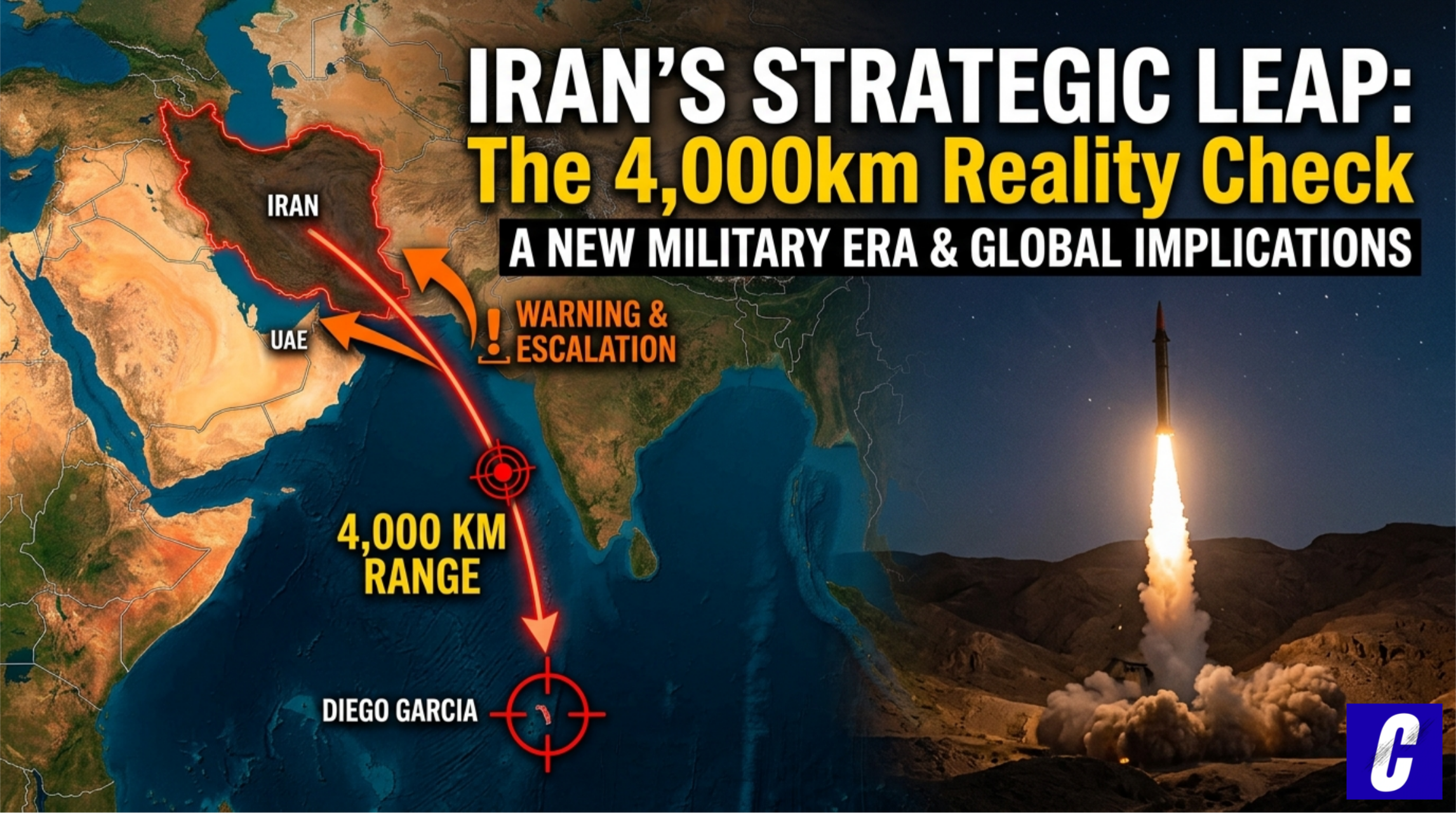
Reports emerged that Iran launched missiles targeting Diego Garcia — a remote island in the Indian Ocean that serves as a critical joint military base for the United States and the United Kingdom.
- The distance? Roughly 4,000 kilometers from Iran.
- The implication? That’s doubling your range overnight.
Why Diego Garcia Matters
Diego Garcia isn’t just some forgotten island. It’s one of the most strategically important military outposts in the world. The base has long been used for:
- Long-range bomber operations
- Surveillance missions
- Logistics support across the Middle East and Indo-Pacific
In simple terms, it’s the kind of place you don’t casually “test” missiles against.
What Actually Happened
According to early reports, Iran launched two long-range ballistic missiles toward the region:
- One missile was intercepted mid-flight.
- The second reportedly reached the vicinity of the base.
No confirmed damage has been reported. No casualties. No visible destruction. So on paper, this looks like a failed or limited strike.
But that’s not the real story.
The Real Message Behind the Launch
This wasn’t about hitting the base. It was about proving a point.
If Iran successfully demonstrated a 4,000 km strike capability, it signals a major shift in its military reach. That puts not just regional rivals, but also distant strategic assets, within range. And more importantly, it sends a message to Washington and London:
“We can reach places you thought were safe.”
That kind of psychological shift matters more than physical damage.
The UAE Warning — Escalation or Strategy?
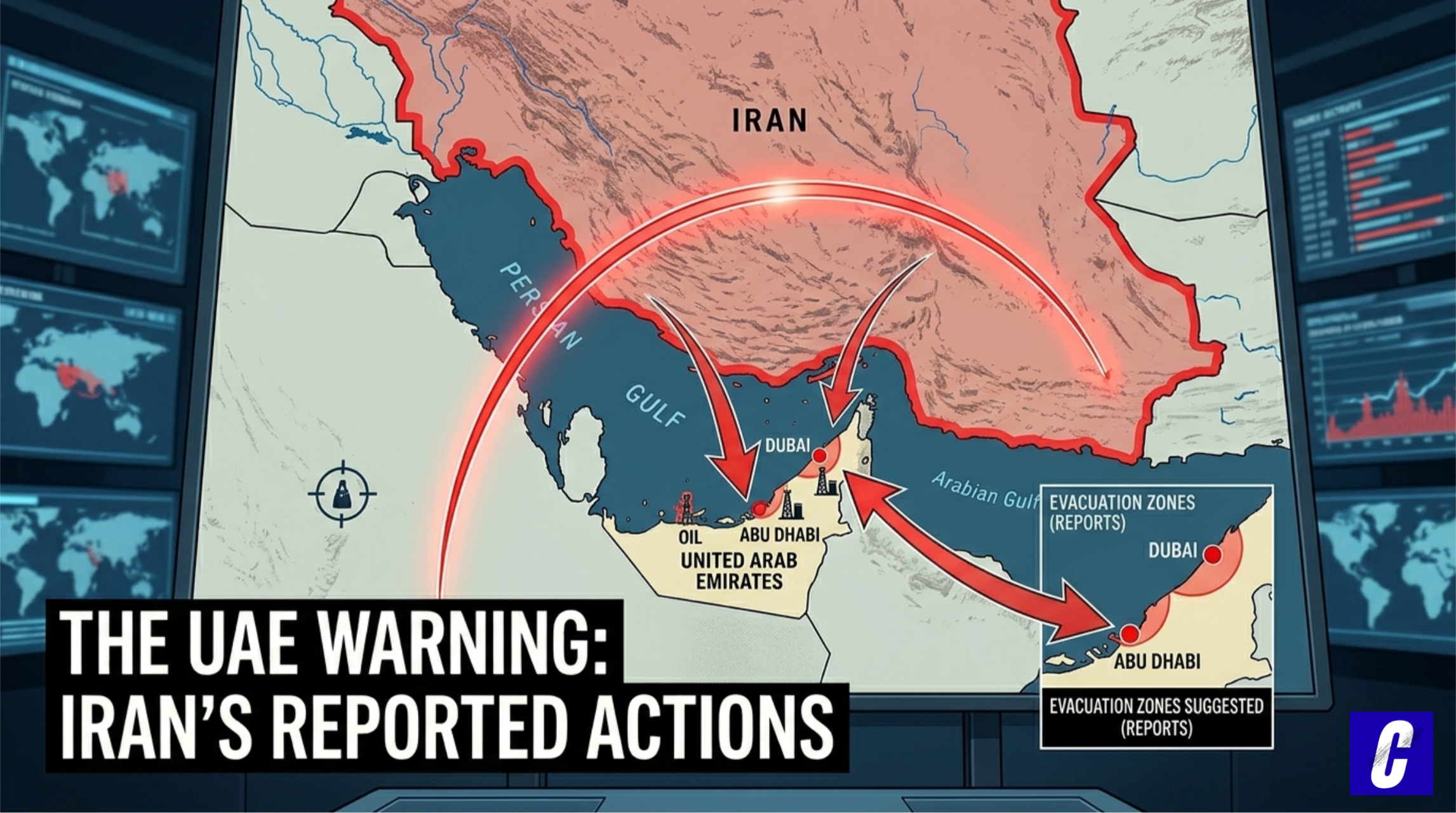
Things didn’t stop there. Iran reportedly issued a warning to parts of the United Arab Emirates, suggesting civilians should evacuate certain areas due to potential future strikes.
That’s not standard posturing. That’s escalation with intent. Whether it’s a bluff, a deterrent tactic, or preparation for something larger, it raises the stakes significantly. The UAE has been a key partner for Western military and economic interests in the region, so any direct threat carries global implications.
Should the U.S. and UK Be Worried?
Short answer: they already are.
Even if the strike caused no damage, the implications are uncomfortable:
- Iran may possess longer-range missile technology than previously believed.
- Key Western military bases may no longer be considered out of reach.
- The margin for miscalculation just got thinner.
And here’s the dangerous part nobody likes to admit: when capabilities are unclear, every side assumes the worst. That’s how escalation spirals.
The Bigger Picture
This isn’t just about one launch or one base. It’s about shifting perceptions of power.
If Iran is signaling that it can strike farther and faster than expected, it changes how every country in the region — and beyond — plans its defense strategy. Missiles don’t just carry explosives. They carry messages.
And last night’s message was loud, deliberate, and impossible to ignore.