Understanding the Impacts of a Government Shutdown
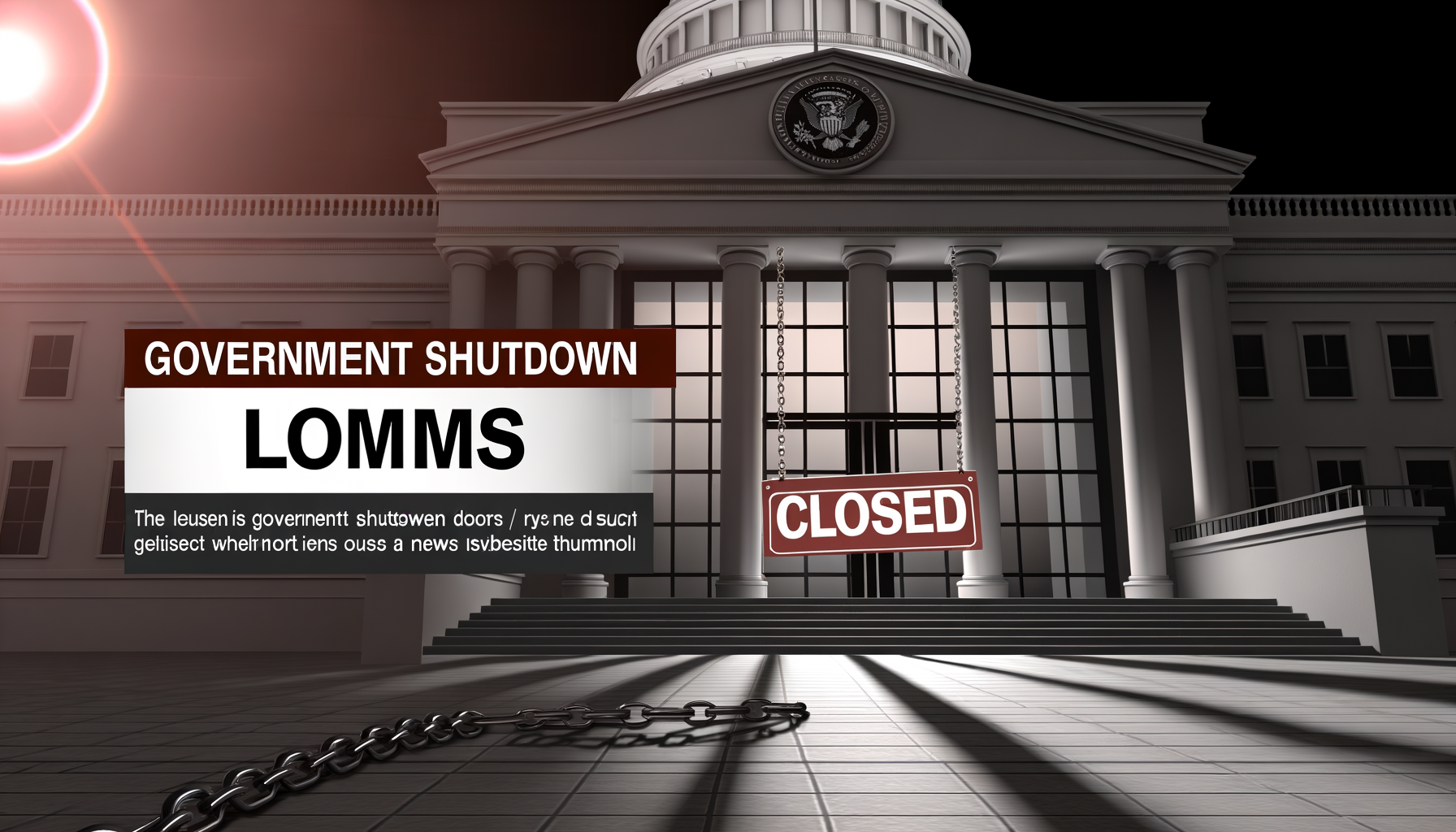
As the clock ticks down towards the end of the fiscal year, concerns surrounding a potential U.S. government shutdown are reaching a fever pitch. Lawmakers are currently embroiled in partisan conflicts over budget allocations, which could lead to significant disruptions in government operations. Such a shutdown not only affects government employees but also has cascading effects on various sectors and average American citizens.
What Triggers a Government Shutdown?
A government shutdown typically occurs when Congress fails to pass appropriations bills or continuing resolutions to fund federal government operations. With the U.S. fiscal year ending on September 30, the pressure is mounting for Congress to resolve budget disagreements. Current debates largely center around spending levels, with both parties sharply divided over key issues such as healthcare, social services, and military funding.
The Human Cost of Shutdowns
Historically, government shutdowns have significant effects on the workforce. According to a report from the Congressional Budget Office, a 35-day government shutdown in early 2019 resulted in a loss of approximately $11 billion in economic output.1 Furthermore, the same report indicated that about 800,000 federal employees were furloughed or forced to work without pay, causing hardship for thousands of families across the nation.
“It is crucial for Congress to put aside partisan differences and ensure that our government remains operational for the American people,” said House Speaker John Smith at a recent press conference.
Public Sentiment Surrounding Shutdowns
Public opinion on government shutdowns tends to be overwhelmingly negative. A recent poll conducted by Gallup found that 64% of Americans believe that a government shutdown would have a detrimental impact on their daily lives.2 The economic uncertainty, coupled with missed services such as Social Security payments and national park closures, leads many to view shutdowns as an ineffective political tool.
Conclusion: The Urgency to Act
As we approach the end of the fiscal year, it is imperative for Congress to come together and find a resolution to avoid a government shutdown. The risks—ranging from economic fallout to social services disruption—are too significant to ignore. The clock is ticking, and the stakes are high for everyday Americans. Engage with your lawmakers today and urge them to prioritize the American people’s needs over political posturing. Only through collective action can we ensure that our government remains open and functional.
Stay informed as the situation evolves and remember: your voice matters!