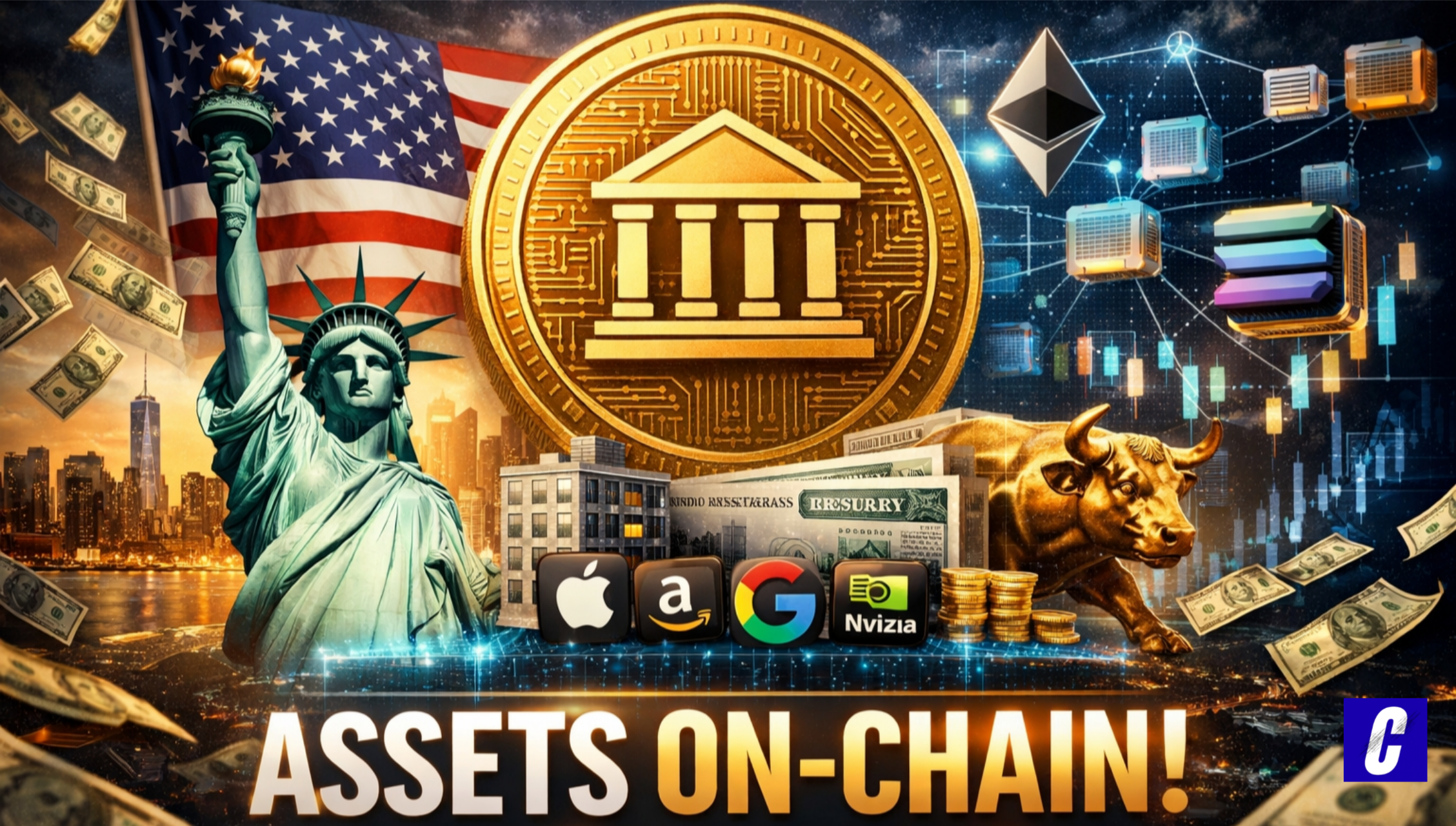
We’re not in the future anymore. The tokenization of real-world assets (RWAs) isn’t just a theoretical crypto fad—it’s already a real financial infrastructure shift, anchored in traditional markets and backed by major regulators and Wall Street players. What happens next will affect global liquidity, investing, and access to markets in a way almost no one fully appreciates yet.
What Is Tokenization, Really?
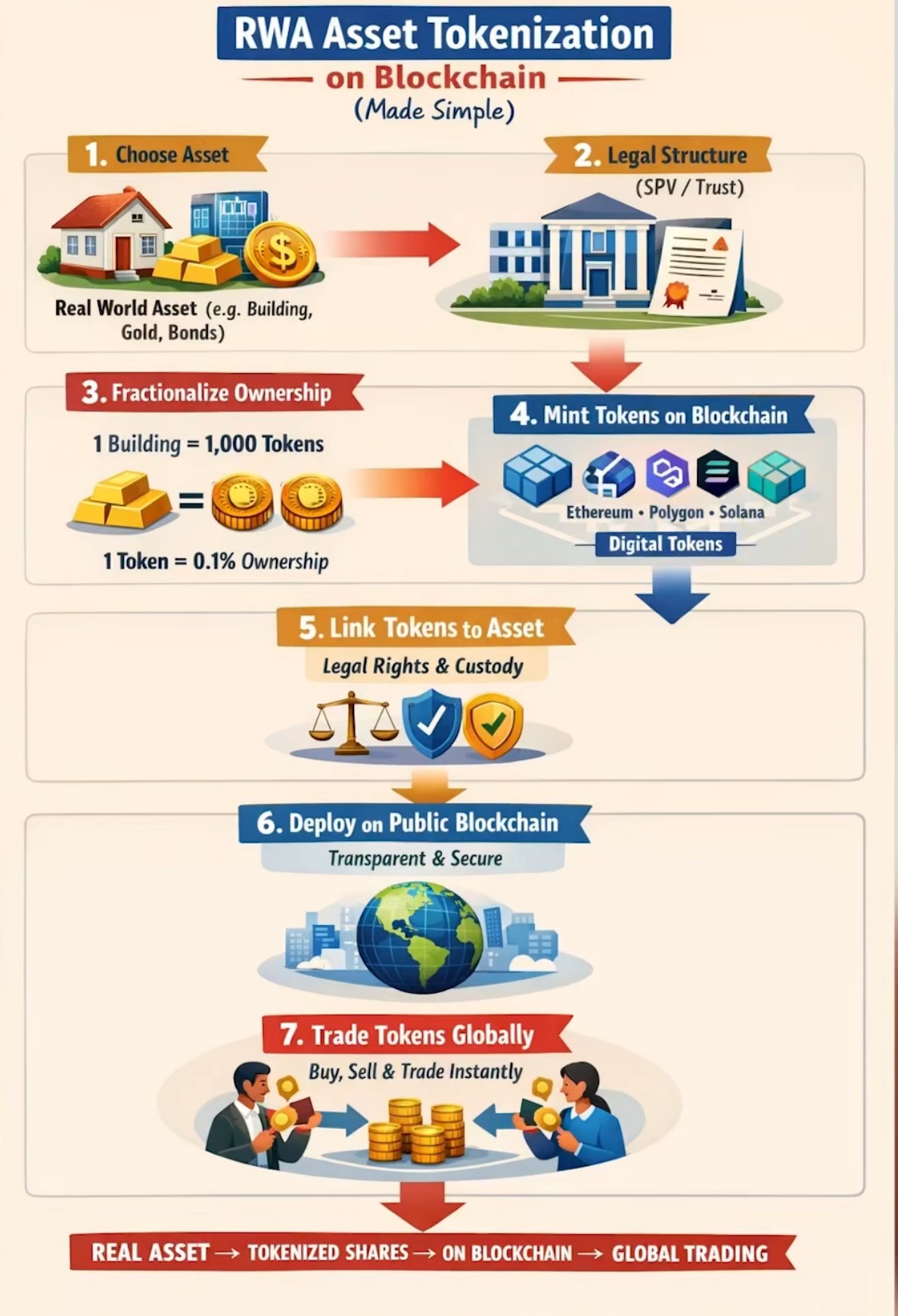
At its core, tokenization is simply the process of converting ownership rights in physical or financial assets into digital tokens on a blockchain. These tokens represent legal claims on the underlying asset—be it a bond, stock, property, or commodity—and can be transferred, traded, and settled digitally.
For example, a $10 million apartment building could be tokenized into 10 million tokens, each representing a $1 share of ownership. Once on-chain, those tokens can be traded or used as collateral like any other digital asset.
This isn’t NFTs for memes. RWAs are tied to real economics, cash flows, and established legal rights.
Why Asset Tokenization Matters
Tokenization isn’t about buzzwords. It solves real structural inefficiencies in traditional finance:
- Fractional Ownership & Accessibility: Traditionally, owning parts of expensive assets required intermediaries and high minimums. Blockchain allows anyone with modest capital to own fractions of previously exclusive holdings, whether that’s a treasury bond or a downtown office tower.
- Instant Settlement & Efficiency: Traditional settlement cycles—especially in equities and real estate—can take days or weeks. On-chain transfers settle in minutes, reducing counterparty risk and operational overhead.
- Global Liquidity: Blockchains are global by design. Tokens can theoretically be accessed anywhere in the world, making markets more liquid and open than they’ve ever been.
- Programmability: Smart contracts enable automatic dividend payments, corporate actions, and compliance rules baked directly into an asset’s code—effectively automating what used to be paperwork and manual processes.
The Real-World Momentum in America
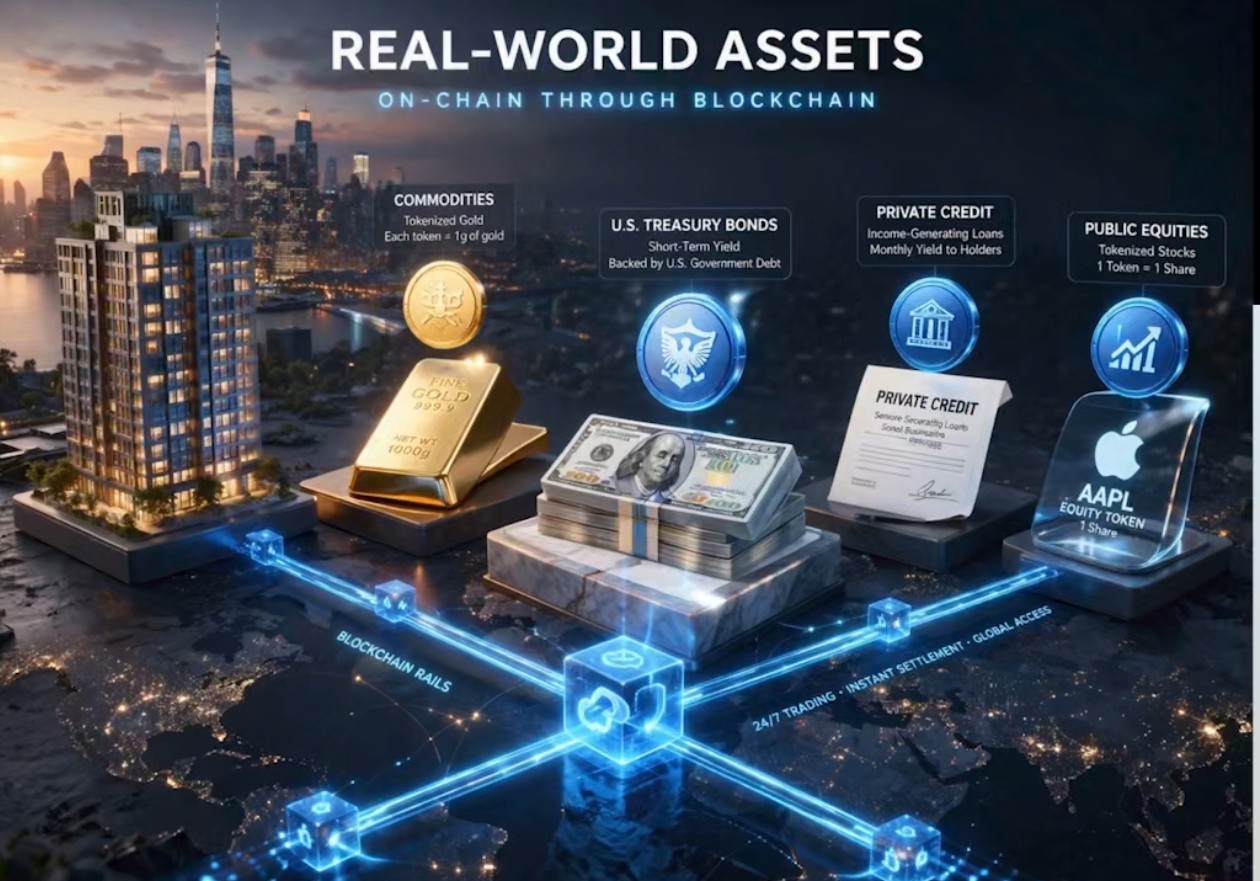
Here’s the part most people miss: America isn’t waiting for the “crypto future.” It’s already bridging blockchain with regulated finance.
A major milestone came in March 2026, when the U.S. Securities and Exchange Commission (SEC) approved Nasdaq’s plan to allow tokenized versions of select stocks to trade and settle on blockchain rails alongside traditional shares. These tokens aren’t some fringe experiment; they mirror actual securities like those in the Russell 1000 and ETFs tracking major indexes.
Regulators have also clarified that banks won’t face extra capital charges for tokenized securities just because they use blockchain. The Federal Reserve, FDIC, and OCC made it clear that how an asset is issued shouldn’t change how it’s treated from a capital perspective. This signals to banks that they can safely integrate blockchain technology, potentially positioning the U.S. as a dominant hub for tokenized markets.
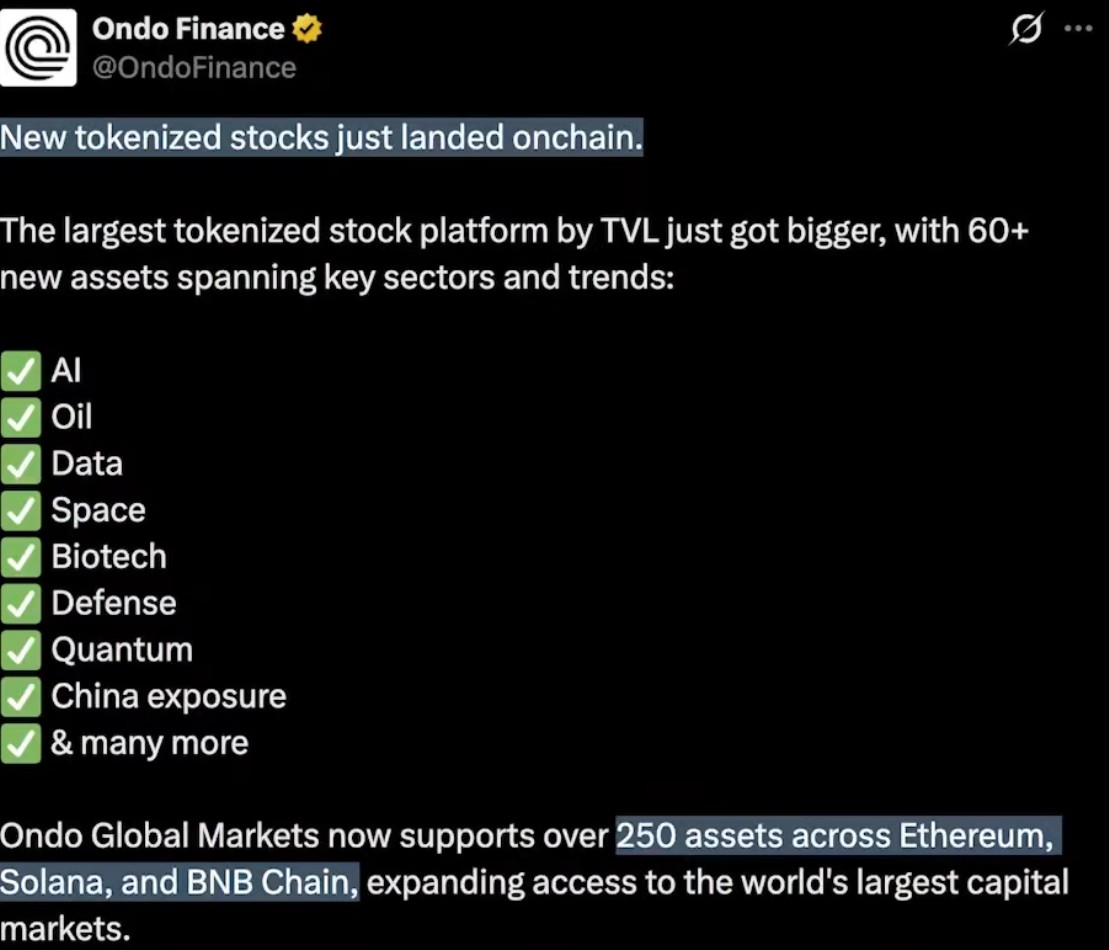
Ondo Finance and The New Wall Street Players
One company doing the heavy lifting in this space is Ondo Finance. Ondo has built one of the largest ecosystems for tokenizing real-world financial assets—especially stocks, ETFs, and Treasuries.
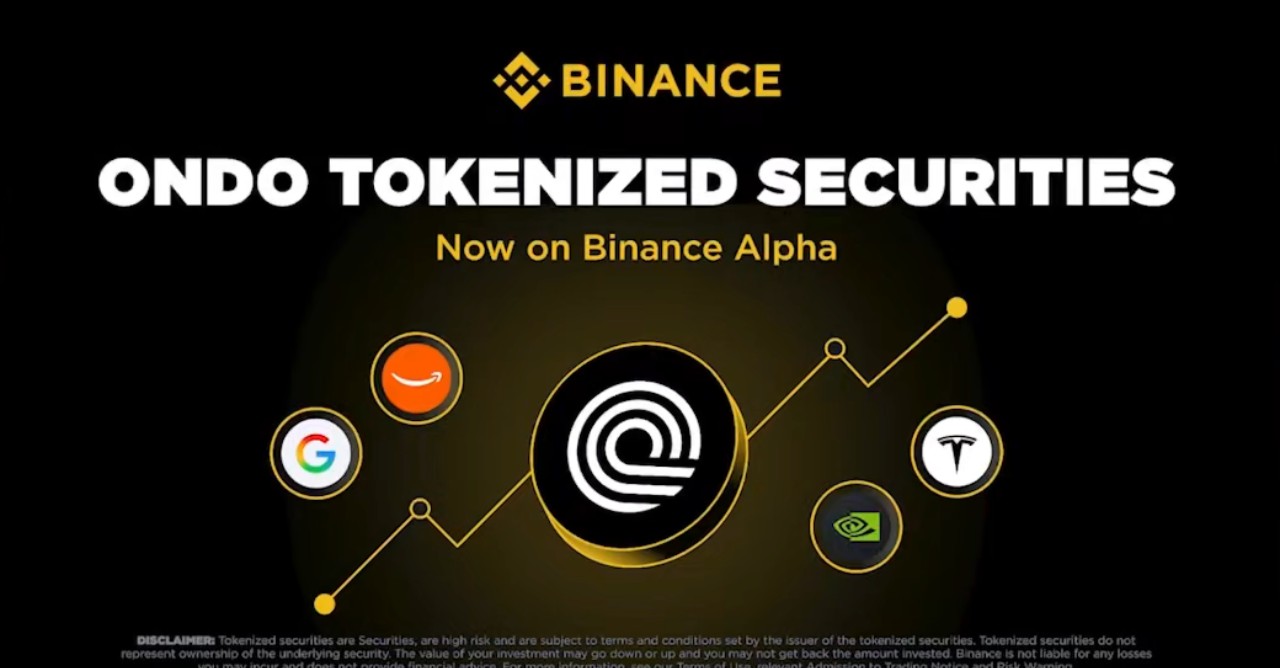
- Scale: The platform had over $2 billion locked in tokenized RWAs, offering global 24/7 access to traditional assets via blockchain.
- Exposure: Ondo’s tokenized U.S. equities let holders track mainstream assets like Tesla, Apple, NVIDIA, and Amazon directly on-chain.
- Accessibility: Their partnerships extend to wallet providers like MetaMask and global crypto exchanges, making institutional-grade assets accessible to millions of retail wallets.
Real Numbers: How Big Is This Market?
The RWA tokenization market currently sits in the tens of billions, but the trajectory is steep. Industry forecasts project growth into the multi-trillion range by 2030 if institutional progress continues.
|
Asset Class |
Estimated Global Market Size |
|---|---|
|
Global Bonds |
Over $130 Trillion |
|
Global Real Estate |
Over $300 Trillion |
Tokenized Treasuries have already seen a rapid doubling in on-chain value. Even tokenizing a tiny fraction of these massive global markets would dwarf previous crypto sectors.
Challenges Still Ahead
It’s not all sunshine. Liquidity remains uneven across many tokenized assets, especially those linked to private credit or real estate. Academic analysis finds that much of the current RWA supply sits idle with low active trading, proving that “tokens” do not automatically equal a “vibrant market”. Furthermore, regulation remains patchy outside of the U.S. and Europe, and infrastructure must still mesh with deep legacy systems.
Why This Matters to You
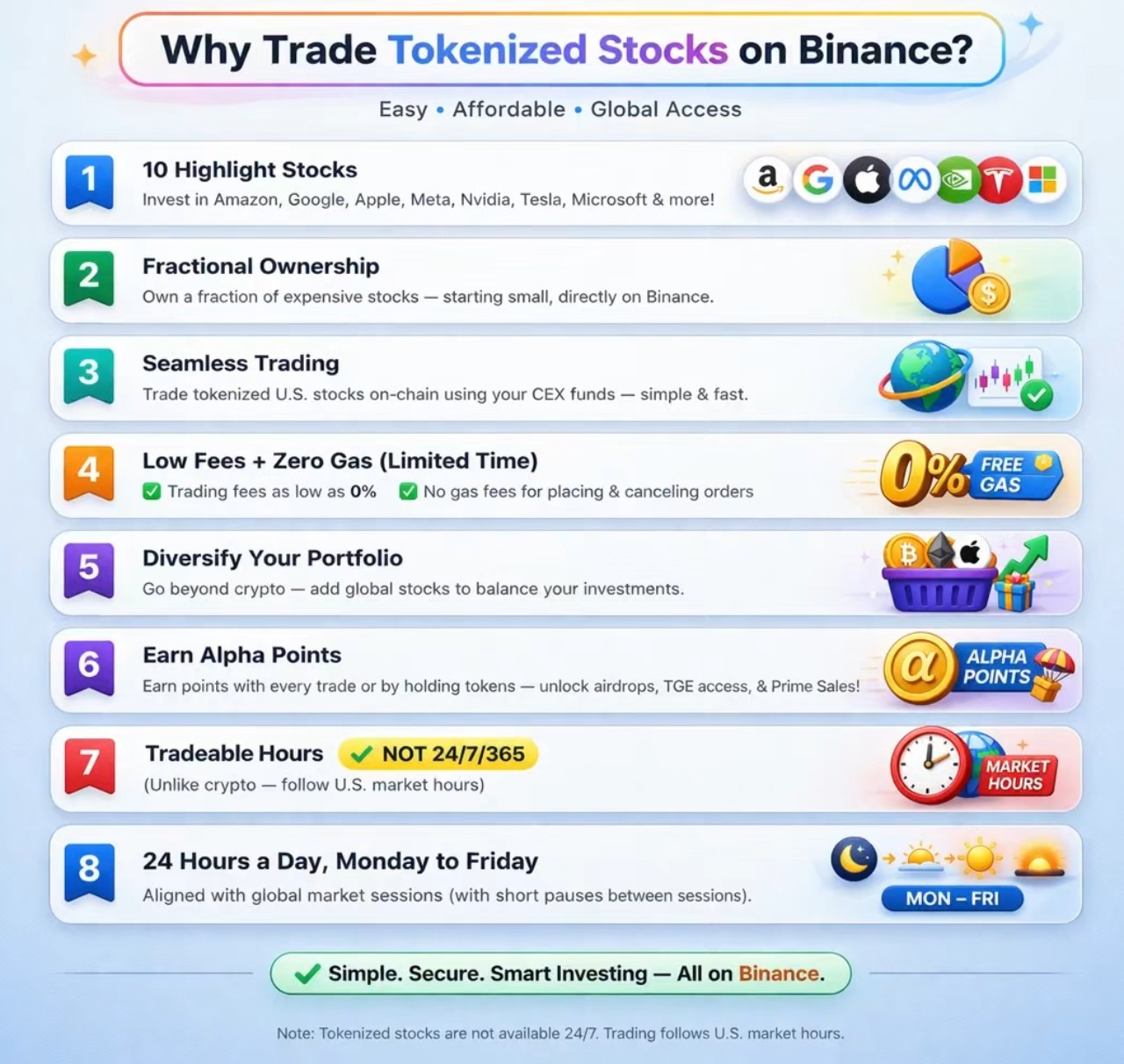
People who think crypto is just Bitcoin or meme coins are going to be blindsided by this shift. Tokenization is about overlaying existing markets with digital rails that make global finance more efficient and programmable.
In the next decade, investors will increasingly get exposure to U.S. stocks, Treasuries, and real estate through blockchain tokens without traditional middlemen.
This is just the beginning.